
Minnesota Lease Agreement
Minnesota Lease Agreement forms are used by Minnesota landlords and Minnesota property management companies when leasing residential property in Minnesota. The Minnesota Lease Agreement is a legal document which can be used in a court of law if there is a breach in contract by either party, so it is important to make sure your Minnesota Lease Agreement complies with all the Landlord Tenant laws in Minnesota.


About Minnesota Lease Agreement - What should it include?

The Minnesota Lease Agreement – also known as the Minnesota Residential Lease or Minnesota Rental Agreement – is one of the most important forms you will ever use in property management. The Minnesota Lease Contract must include the address of the rental property, names of the tenants who will be living there, how much rent they will be paying, and the duration of the lease agreement. It should also include details regarding the security deposit, remedies for damages or late payments, and other terms and conditions that will govern the lease agreement.
- Address of the Rental Property - Full legal address and unit description.
- Tenant and Landlord Names - Full legal names of all involved parties.
- Rent Details - Amount, due date, payment method, and late fee policies.
- Lease Duration - Start and end dates, renewal terms, and termination clauses.
- Security Deposit Information - Amount, refund policy, and conditions for deductions.
- Other Terms and Conditions - Rules regarding pets, maintenance responsibilities, and occupancy limits.
Minnesota Lease Agreement - What are the specific rental laws?

If this is your first time using the Minnesota Lease Agreement, you may want to check out the Minnesota Law Help website to learn more about Minnesota tenant rights, laws and protections. Federal law requires the Minnesota Lease Agreement to include a disclosure for lead paint if the property was built before 1978. Most states also require the Landlord to disclose the existence of mold or hazardous materials on the premises. Each state has different laws, and Minnesota has some very specific rules regarding security deposits, rent withholding, lease termination, and disclosures. You can read Minnesota Landlords and Tenants: Rights and Responsibilities to become familiar with the most important factors that must be incorporated onto the Minnesota Lease Agreement form. You may also want to read Chapter 504B – Minnesota Statutes to learn more about the specific laws that may affect you
Minnesota Lease Agreement - What else should I know?
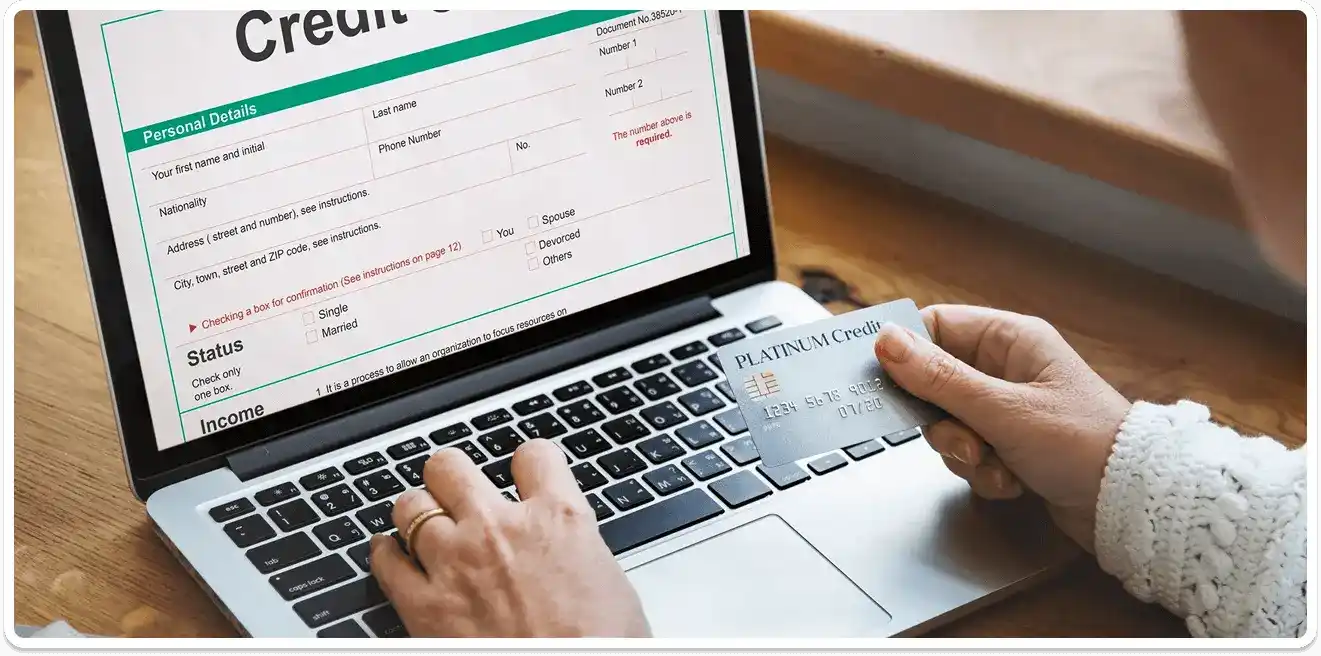
The Minnesota Rental Application form can be used to screen prospective tenants before filling out the Minnesota Lease Agreement. Also the Minnesota Rental Credit Check form can be used to get authorization from the tenant to conduct a credit check. If you need help with selecting the right tenants, SimplifyEm’s tenant screening solution makes it easy for Minnesota landlords and property managers to get leasing recommendations, credit reports, and criminal history for each tenant.
Key Terms & Provisions
A Minnesota Lease Agreement should clearly outline the key terms and provisions that govern the rental arrangement. These terms help establish expectations for both landlords and tenants, ensuring compliance with Minnesota landlord-tenant laws while minimizing potential disputes. Below are the essential sections that should be included:
- Rent Amount and Payment Schedule – Define the agreed-upon rent, due dates, accepted payment methods, and any applicable late fees.
- Security Deposit Details – Specify the maximum allowable deposit, refund conditions, and legal requirements for handling security deposits under Minnesota Landlord Tenant law.
- Maintenance and Repairs – Outline responsibilities for property upkeep, repair request procedures, and landlord obligations for habitability.
- Rules and Regulations – Cover important policies such as occupancy limits, pet restrictions, noise rules, and other tenant obligations.
Why Minnesota Landlords & Property Managers Choose SimplifyEm Lease Agreement Template?

We understand the challenges of managing rental properties in Minnesota. Our Minnesota Lease Agreement template is designed to simplify the process while ensuring compliance with state laws. Here’s why landlords and property managers trust our lease agreement :
- Legally Compliant– Our template is updated to reflect Minnesota’s latest landlord-tenant laws, helping you avoid legal pitfalls.
- Comprehensive & Customizable – Covers essential terms like rent, security deposits, maintenance responsibilities, and eviction policies, while allowing you to tailor it to your specific needs.
- Time-Saving & Easy to Use – No need to draft a lease from scratch—our ready-to-use format makes it quick and hassle-free.
- Protects Both Landlords & Tenants – Clear terms help prevent disputes and ensure a smooth rental experience for both parties.
- Trusted by Property Owners Nationwide – Backed by SimplifyEm, a leading name in property management solutions.
Get Your Minnesota Lease Agreement Today!
Why choose us



Frequently Asked Questions - FAQs
What is a Minnesota lease agreement?
A Minnesota lease agreement is a written contract between a landlord (or property manager) and a tenant that explains all the important rental terms—such as rent amount, due date, lease length, and maintenance responsibilities.
To be legally valid, the lease must follow Minnesota’s Landlord-Tenant laws (Minnesota Statutes Chapter 504B). This law protects both landlords and tenants by defining their rights and obligations.
What are the main types of Minnesota lease agreements?
Landlords and property managers in Minnesota commonly use a few different types of leases:
- Fixed-Term Lease: Runs for a specific period (for example, 12 months). Rent and terms stay the same until the lease ends.
- Month-to-Month Rental Agreement: Automatically renews every month until either party gives at least 30 days’ written notice to terminate or modify the lease (M N Stat. § 504B.135).
- Sublease Agreement: Allows an existing tenant to rent out the property to another person (a “subtenant”) — but only with the landlord’s written approval.
- Commercial Lease: Used for business properties like offices or storefronts (governed by separate commercial leasing laws).
What information must be included in a Minnesota lease agreement?
To make a Minnesota lease agreement legally compliant, be sure to include the following details:
- Tenant and Landlord Names: Full legal names of everyone involved.
- Property Address: Full legal address and unit details.
- Lease Term: Start and end dates, along with renewal or termination terms.
- Rent Details: Monthly rent amount, due date, payment methods, and late fee policies.
-
Security Deposit Terms: Deposit amount, refund policy, deductions (MN Stat. § 504B.178).
- The security-deposit amount, which cannot exceed one months’ rent.
- The landlord must pay interest on the deposit. However, if the total interest earned is less than $1, it will not be paid out to the tenant.
- The landlord must return the deposit within 21 days after the tenant moves out, along with an itemized list of deductions.
-
Minnesota Required Disclosures:
- Lead-based paint disclosures (for properties built before 1978)
- Signatures of both parties: Both landlord and tenant must sign and date the lease.
What is the difference between a lease and a rental agreement in Minnesota?
The main difference is the duration, flexibility, and legal obligations under Minnesota law:
- Lease Agreement: Usually covers a fixed term (for example, one year). Rent and terms can’t change until the lease ends, unless both sides agree in writing.
- Rental Agreement (Month-to-Month): Typically runs month-to-month and renews automatically. Either party can end it with 30 days’ written notice, and landlords can adjust terms for the next month if they give proper notice (M N Stat. § 504B.135).
Can a landlord change the rent during a lease term in Minnesota?
No, under Minnesota’s Landlord-Tenant laws (Minnesota Statutes Chapter 504B), a landlord cannot increase rent during a fixed-term lease unless the lease specifically allows it.
For month-to-month leases, landlords may raise rent or change other terms, but must give the tenant at least 30 days’ written notice before the next rental period begins (M N Stat. § 504B.135).
What happens if the tenant breaks the lease early in Minnesota?
If a tenant ends their lease early in Minnesota, they may still be financially responsible for paying rent until the lease term ends or until the landlord finds a new tenant.
Under Minnesota’s Landlord-Tenant laws (M N Stat. § 504B.154) landlords must make reasonable efforts to re-rent the property to reduce financial loss—this is called “mitigating damages.”
How do you renew or terminate a lease in Minnesota?
In Minnesota, lease renewal or termination depends on the type of tenancy:
-
Fixed-Term Lease:
Ends automatically on the stated end date unless both parties agree to renew. Renewals should always be done in writing, either through a new lease or a signed addendum. A tenant or landlord cannot terminate a fixed-term lease early without mutual consent unless there’s a legal reason. -
Month-to-Month Lease:
Automatically renews each month until someone gives proper notice. Either landlord or tenant can end the agreement with 30 days’ written notice before the next rental period begins (MN Stat. § 504B.135).
Can a Minnesota lease agreement be modified after it’s signed?
Yes, a Minnesota lease agreement can be modified after signing, but only if both the landlord and tenant agree in writing.
Any changes should be added as a lease addendum that clearly describes what’s being modified (for example, a rent change, pet policy, or added occupant). Both parties must sign and date the addendum to make it legally binding and must comply with Minnesota’s Landlord-Tenant laws(MN Stat. § 504B).

Pro tip for Property Managers and Landlords
Always use a customizable Minnesota Lease Agreement template to ensure compliance with Minnesota Landlord Tenant law and simplify modifications or renewals.
Top rated property management software!
Starting at just $18/month, no credit card required.



Choose the state for your Lease Agreement
- Alabama Lease Agreement
- Alaska Lease Agreement
- Arizona Lease Agreement
- Aralaska Lease Agreement
- California Lease Agreement
- Colorado Lease Agreement
- Connecticut Lease Agreement
- Delaware Lease Agreement
- District of Columbia Lease Agreement
- Florida Lease Agreement
- Georgia Lease Agreement
- Hawaii Lease Agreement
- Idaho Lease Agreement
- Illinois Lease Agreement
- Indiana Lease Agreement
- Iowa Lease Agreement
- Kansas Lease Agreement
- Kentucky Lease Agreement
- Louisiana Lease Agreement
- Maine Lease Agreement
- Maryland Lease Agreement
- Massachusetts Lease Agreement
- Michigan Lease Agreement
- Minnesota Lease Agreement
- Mississippi Lease Agreement
- Missouri Lease Agreement
- Montana Lease Agreement
- Nebraska Lease Agreement
- Nevada Lease Agreement
- New Hampshire Lease Agreement
- New Jersey Lease Agreement
- New Mexico Lease Agreement
- New York Lease Agreement
- North Carolina Lease Agreement
- North Dakota Lease Agreement
- Ohio Lease Agreement
- Oklahoma Lease Agreement
- Oregon Lease Agreement
- Pennsylvania Lease Agreement
- Rhode Island Lease Agreement
- South Carolina Lease Agreement
- South Dakota Lease Agreement
- Tennessee Lease Agreement
- Texas Lease Agreement
- Utah Lease Agreement
- Vermont Lease Agreement
- Virginia Lease Agreement
- Washington Lease Agreement
- West Virginia Lease Agreement
- Wisconsin Lease Agreement
- Wyoming Lease Agreement

